Service quality

Service quality

Saturday, 31 January 2015

The secrets of superior service

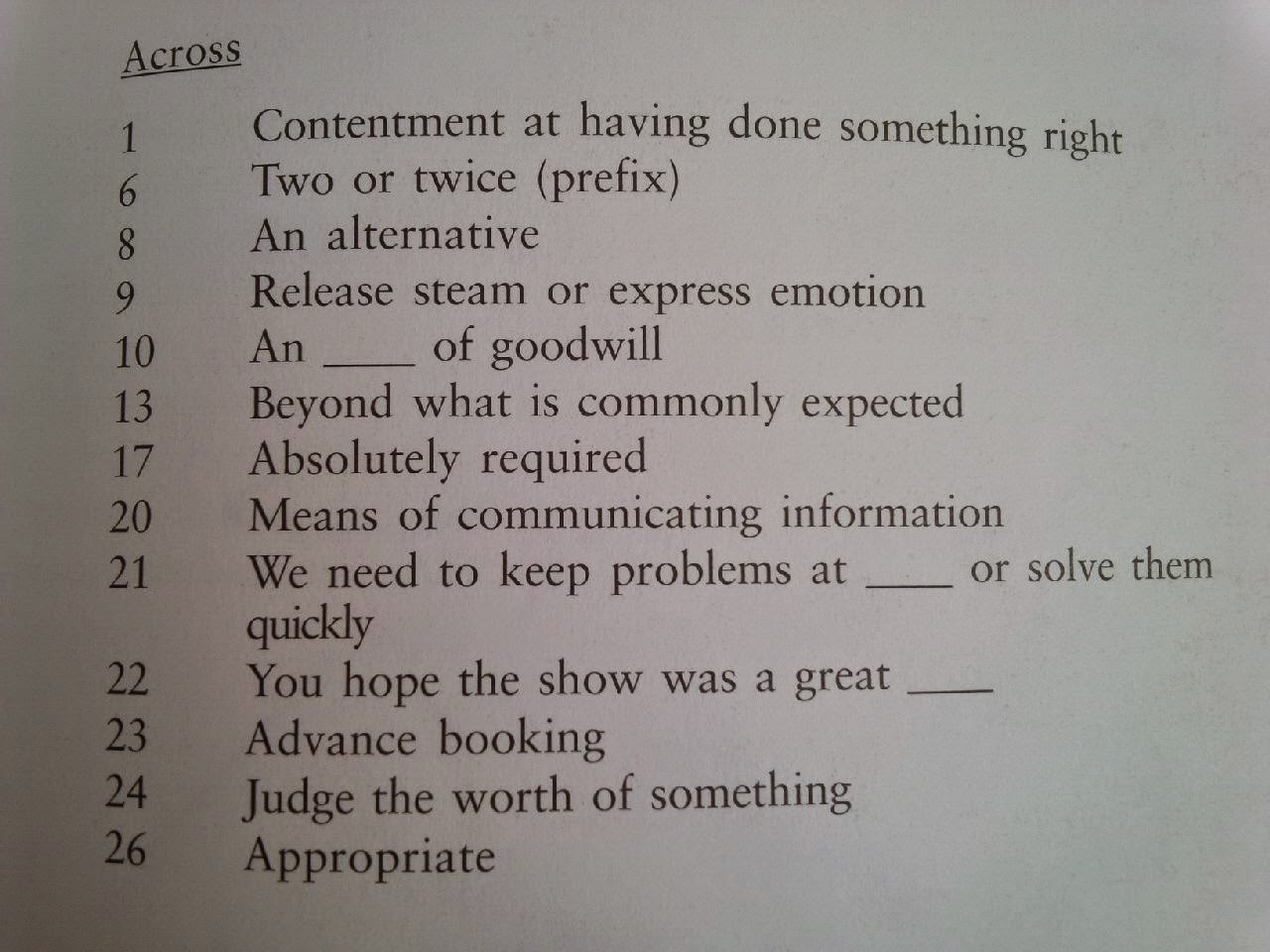
Giving good service in tough times makes good business sense. But how do you actually achieve it? Here are 8 proven principles you can use.
  1. Understand how your customers' expectations are rising and changing over time. What was good enough last year may not be good enough now. Use customer surveys, interviews and focus groups to understand what your customers really want, what they value and what they believe they are getting from your business.
  2. Use quality service to differentiate your business from your competition. Your products may be reliable and up-to-date, but your competitors' goods are too. Your delivery systems may be fast and user-friendly, but so are your competitors. You can make a more lasting difference by providing personalized, responsive and extra-mile service that stands out in an unique way your customers will appreciate and remember.
  3. Set and achieve high service standards. You can go beyond basic and expected levels of service to provide your customers with desired and even surprising service interactions. Determine the standard for service in your industry, and then find a way to go beyond it. Give more choice than the usual, be more flexible than normal, be faster than average, and extend a better warranty than all the others.
  4. Learn to manage your customers' expectations. You can't always give customers everything their hearts desire. Sometimes you need to bring their expectations into line with what you know you can deliver. The best way to do this is by first building a reputation for making and keeping clear promises. Once you have established a base of trust and good reputation, you only need to ask your customers for their patience in the rare instances when you cannot meet their first request. Nine out of ten times, they will extend their understanding and the leeway that you need. The second way to manage customers' expectations is to under promise, then over deliver.
  5. Bounce back with effective service recovery. Sometimes things do go wrong. When it happens to your customers, do everything you can to set things right. Fix the problem and show sincere concern for any discomfort, frustration or inconvenience. Then do a little bit more by giving your customer something positive to remember- a token of appreciation, a discount or  free upgrade. This is not the time to assign blame for what went wrong or to calculate the costs of repair. Restoring customer goodwill is worth the price in positive word-of-mouth and new business.
  6. Appreciate your complaining customers. Customers with complaints can be your best allies in building and improving your business. They point out where your system faulty or your procedures are weak and problematic. They show where your products or service are below expectations. They point out areas where your competitors are getting ahead or where your staff is falling behind. These are the same insights and conclusions companies pay consultants to provide. But a complainer gives them to you free. And remember, for every person who complains, there are many more who don't bother to tell you. The others just take their business elsewhere and speak badly about you. At least the complainer gives you a chance to reply and set things right.
  7. Take personal responsibility. In many organizations, people are quick to blame others for problems or difficulties at work: managers blame staff, staff blame managers, Engineering blames Sales, Sales blames Marketing and everyone blames Finance. This does not help. In fact, all the finger-pointing make things much worse. Blaming yourself does not work, either. No matter how many mistakes you may have made, tomorrow is another chance to do better. You need high self-esteem to give good service. Feeling ashamed doesn't help. It doesn't make sense to make excuses and blame the computers, the system or the budget, either. This kind of justification only prolongs the pain before the necessary changes can take place. The most reliable way to bring about constructive change in your organization is to take personal responsibility and help make good things happen. When you see something that needs to be done, do it. If you see something needs to be done in another department, recommend it. Be the person who makes suggestions, proposes new ideas and volunteers to help on problem solving teams, projects and solutions.
  8. See the world from each customer's point of view. We often get so caught up in own world that we lose sight of what our customers actually experience. Make time to stand on the other side of the counter or listen on the other end of the phone. Be a mystery shopper at your own place of business. Or become a customer of your best competition. What you notice when you look from the other side is what your customers experience every day.
Finally, always remember that service is the currency that keeps our economy moving. I serve you in one business, you serve me in another. When either of us improves, the economy gets a little better. When both of us improve, people are sure to take notice. When everyone improves, the whole world grows stronger and closer together.

Time to start now!!!!

Puzzle 8- Tools and techniques


Puzzle 7- Point of view


Thursday, 29 January 2015

In challenging times, service matters most!!!

As the wind of economic cycles blows hard, some businesses try to contain costs by cutting corners on customer service. This is exactly the wrong thing to do, because service matters now more than ever. Here is why:
  1. When people buy during an economic downturn they are extremely conscious of their hard earned money that they spend. Customers want more attention, more appreciation and more recognition when making their purchases with you, not less.
  2. Customers want to be sure they get maximum value for the money they spend. They want assistance, education, training, installation, modifications and support. The basic product may remain the same, but they want more service.
  3. Customers want firmer guarantees that their purchase was the right thing to do. In good times, a single bed purchase can be quickly overlooked or forgotten, but in tough times, every expenditure is scrutinized. Provide the assurance your customers seek with generous service guarantees, regular follow-up and speedy follow-through on all queries and complaints.
  4. In difficult economic times, people spend less time travelling and wining and dinning, and more time carefully shopping for each and every purchase. Giving great service enhances the customer's shopping experience and boosts your own company's image. When times are good, people move fats an sometimes don't notice your efforts. In tougher times, people move cautiously and notice every extra effort you make.
  5. When money is tight, many people experience a sense of lower self-esteem. When they get good service from your business, it boosts their self-image. And when they feel good about themselves, they feel good about you. And when they feel good about you, they buy.
  6. In tough times, people talk more with each other about saving money and getting good value. Positive word-of-mouth is a powerful force t any time. In difficult times, even more ears will be listening. Be sure the words spoken about your business are good ones!!!
The above shows that good service actually matters the most during the tough times but must also maintain during the good times as well. This will bring about higher competitive advantage in both good and tough times.

Puzzle 6- Build better service culture


Tuesday, 27 January 2015

Are you a real professional?

The customer was just leaving the service counter and said to the young man who had helped her,' You are a real professional. Thank you.'

The young man blushed. To be called 'a professional' is a very powerful compliment. It's not easy to achieve. Real professionals perform well in 5 key areas:
  1. Knowledge: Real professional understand what other people want and need, what their own products and services can provide, where and how to get assistance, what's changing in their own company and in the world of those they serve. How good is your product, process, service and industry knowledge? Want to improve? Read more, listen better, discuss with others, get mentoring, get coaching, get going.
  2. Skills: Real professionals are proficient and skilful. they know how to do the right thing at the right time and in the right way. How good are your hard skills and soft skills? Need to improve? Study and practice new techniques, watch the masters in action, get more training, get more qualified. Be really good, then get better.
  3. Attitude: Real professional are more than technically bright. Their enthusiasm is motivating and infectious. Customers feel assured by their confidence. Colleagues are touched by their compassion. How powerful is your attitude? Need to improve? Get clear about what turns you on and why you care to serve. Align your values with your company's goals, your customers' needs and your colleagues' shared commitment. And watch your mindset like a hawk. No whining when you should be shining.
  4. Effort: Real professionals have a strong will and ambition to succeed. They may be humble, but they are not shy about striving for spectacular performance. These winners go the extra mile and help others along the way. They push themselves and drive their teams to greater achievement. And customers reinforce their effort with well-earned praise. How strong is your effort? Want to increase it? Then set big, bold goals and high, stretching targets. Do something every day to move on, move up, move forward.
  5. Relationships: The greatest professionals help other people move into the future. They make suggestions to solve your immediate problem and then give guidance to take you further. They anticipate your questions and prepare answers in advance. They think about your success and give advice that's packed with value. Want to strengthen your relationships with others? Learn to listen more closely for real concerns. Make offers without being asked. Network with others in your company, your industry, your town. Lend a hand whenever you can and be willing to receive one.
Real professionals are well-rounded in their ability, approach and actions. They are always improving, uplifting themselves and motivating those around them.

Puzzle 5- How much difference do you make?